SKU: HD2
Unit of Measure: Each

| Brand/Manufacturer | MDPro |
|---|---|
| SKU | MDPRO-HD2-BLADDER-SCANNER |
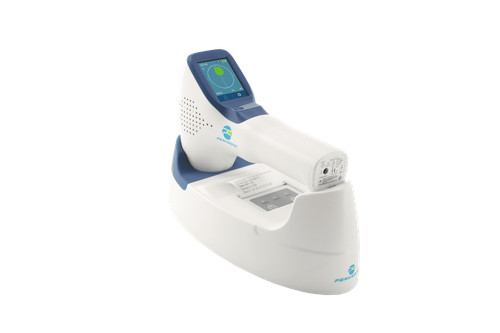
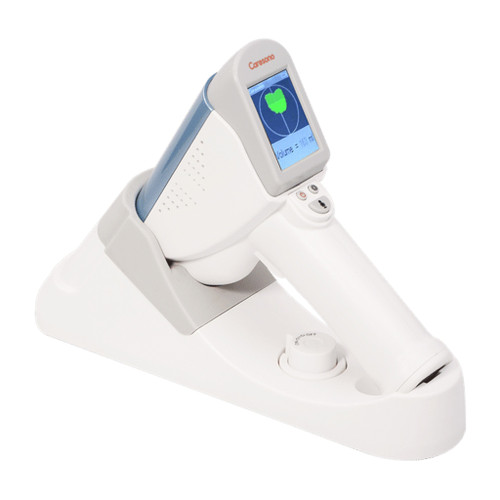
The MDPro HD2 Handheld Bladder Scanner is a compact, portable ultrasound device designed for fast, noninvasive measurement of urinary bladder volume and post-void residual (PVR). Featuring a 2.5-inch TFT LCD display, automatic bladder volume calculation, and simple point-and-scan operation, the HD2 provides healthcare professionals with a convenient solution for routine bladder assessments.
With a measurement range of 0–999 mL, Easy and Expert scanning modes, and a rechargeable battery supporting more than 3.5 hours of continuous operation, the HD2 is designed for bedside and mobile clinical use.
Its lightweight, all-in-one design makes it well suited for hospitals, ambulatory surgery centers, rehabilitation facilities, long-term care environments, and other settings where clinicians need quick bladder volume measurements without invasive catheterization.
The MDPro HD2 uses ultrasound technology to estimate urinary bladder volume without requiring catheter insertion.
By positioning the scanner against the patient's lower abdomen, healthcare professionals can obtain a bladder volume measurement to assist with assessment of urinary retention and bladder emptying.
This noninvasive approach can help reduce unnecessary catheterization when used as part of an appropriate clinical assessment and catheterization protocol.
The HD2 supports post-void residual (PVR) measurement, helping clinicians estimate the volume of urine remaining in the bladder after urination.
PVR measurements can assist with evaluating incomplete bladder emptying and monitoring urinary function in patients who may be experiencing urinary retention.
Common applications include postoperative urinary retention assessment, bladder management programs, and routine urological evaluations.
Unlike bladder scanners that require a separate tablet or computer for routine operation, the HD2 incorporates a 2.5-inch TFT LCD display directly into its handheld design.
The integrated screen allows users to view scanning information and bladder volume results at the point of care.
Its self-contained design supports convenient use in different patient-care locations.
The HD2 provides two scanning modes to accommodate different user preferences and clinical workflows.
Easy Mode offers a simplified scanning experience for routine bladder volume measurements.
Expert Mode provides ultrasound image visualization, allowing users to review bladder positioning during an examination.
Together, these modes offer flexibility for both straightforward point-and-scan assessments and examinations requiring additional image guidance.
The HD2 automatically calculates bladder volume from the ultrasound examination, reducing the need for manual volume estimation.
This supports efficient patient assessment and helps clinicians obtain repeatable measurements using a consistent scanning workflow.
The scanner includes a voice annotation feature that allows users to record spoken information associated with an examination.
This can provide a convenient way to capture supplementary patient or testing notes during clinical use.
The HD2 is equipped with a rechargeable battery designed for mobile clinical workflows.
Manufacturer literature specifies a 2,600 mAh battery, with more than 3.5 hours of continuous scanning operation and more than eight hours of standby time.
Actual operating time depends on battery condition and usage.
Weighing approximately 500 grams (1.1 lb), the HD2 is easy to carry between examination rooms and patient-care areas.
Its handheld design eliminates the need for a separate display during routine bladder scanning, making it a practical option for bedside assessments and shared clinical equipment programs.
The HD2 supports patient information storage using compatible removable memory media.
This allows examination information to be retained for later review or transfer, subject to the installed software and accessories.
The HD2 is advertised as requiring no routine annual calibration, helping simplify ongoing equipment maintenance.
Facilities should still follow the manufacturer's instructions for inspection, cleaning, battery maintenance, and performance verification.
SKU: HD2
Unit of Measure: Each
SKU: MDPRO-M5-BLADDER-SCANNER